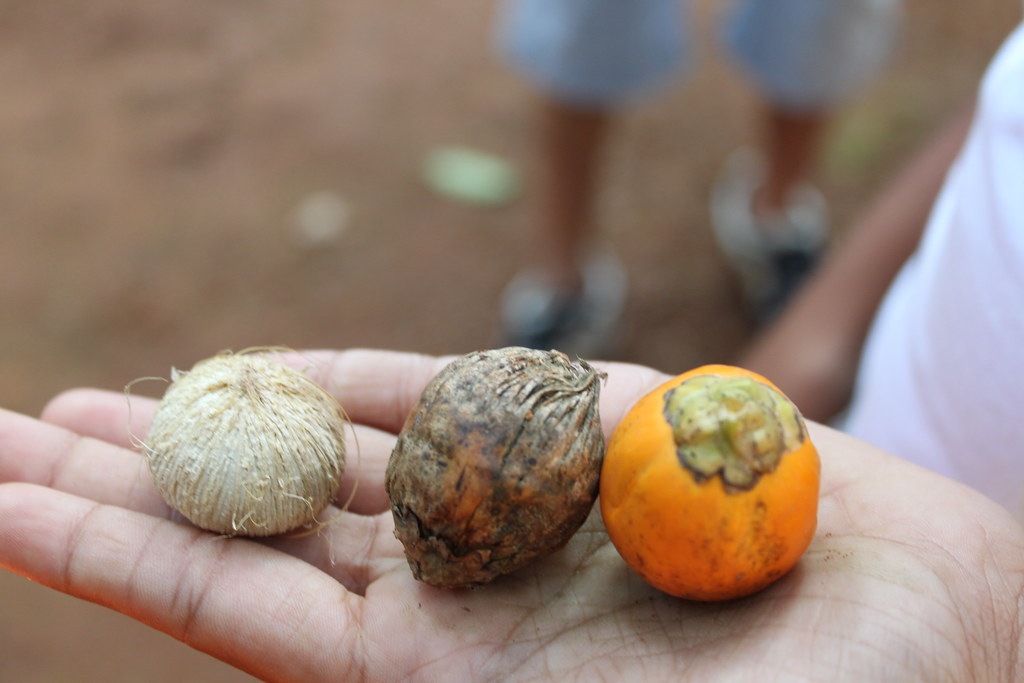
Areca palm seed, often called Areca seed, is the core of the Betel palm tropical tree and holds an significant role in the tradition and economic structure of many Asian countries. The nut is consumed by chewing for its energizing benefits, specifically when blended with betel leaf (a combination of betel vine and hydrated lime) or smoking tobacco. Indonesia as a country, as it is one of the main manufacturers of Areca palm seeds, has become a key actor in the worldwide commodity chain for this good.
Within the nation of Indonesia, masticating Areca seed, identified as “sirih pinang,” possesses a longstanding tradition. It commonly employed in rituals, social functions, and medicinal practices. Across rural areas, especially in Sumatran regions, the island of Kalimantan, and Sulawesian regions, the tradition of consuming betel nut continues to be firmly entrenched. The Areca carries social and cultural significance, frequently functioning as a symbol of generosity or featured in cultural rites, such as matrimonial events.
Financially, Areca nut farming provides employment for countless small-scale farmers, primarily in regions like the Aceh region, West Sumatra, and Sulawesi’s northern provinces. For these communities, Areca nut acts as a vital income-generating crop, increasing their incomes and occupying a crucial role in the economy of the region.
The nation of Indonesia’s equatorial climate, nutrient-dense soil, and wide coastal regions provide the optimum setting for Areca catechu palms to prosper. The farming process is straightforward and labor-intensive, entailing placing saplings, tending palm plantations, and harvesting the nuts after roughly five years. Following the harvest, the betel seeds are typically air-dried, cooked, or preserved, in accordance with the regional practices and the demand from the market.
Indonesia’s Areca nut industry boasts a diverse supply network, including local farmers, area traders, wholesalers, and export companies. At times, betel seeds are distributed unprocessed, but more often, they are dehydrated to ensure a greater longevity and to accommodate the requirements of global customers.
International demand for Areca palm seed, especially in countries like India, the nation of Pakistan, the island of Taiwan, and other regions in Southeast Asia, continues to rise in recent times. Betel nut is highly sought after in those regions, where betel chewing is still a longstanding custom, in spite of the growing awareness of its possible health hazards. India is the main purchaser of Indonesia’s betel nut. The seeds are prepared in various forms, including intact nuts, halved nuts, or ground form, in line with the regional preferences. The consumption of betel nut in paan production is still common in India, and Areca nut from Indonesia is commonly favored for its high grade and accessibility.
Taiwan is another growing market for Indonesian betel nuts, where the practice of betel nut consumption is common, especially among individuals in countryside. Taiwanese traders prefer Areca seeds from Indonesia as a result of their competitive pricing when measured against domestic production. Regardless of the profitable opportunities of the betel seed market, Indonesian suppliers struggle with several issues in growing their market reach and optimizing their supply systems.
In the last few years, healthcare studies have connected regular betel nut consumption with oral cancers and other medical conditions, sparkling issues about its health implications. This has caused some regions adopting enhanced regulations or in some cases prohibitions on the trade and chewing of Areca seed products. For case in point, Taiwanese authorities has established measures to curb the use of betel nuts in response to the surge in oral cancer cases. betel nut suppliers in Indonesia, therefore, confront the challenge of managing these regulations while sustaining their international markets.
Although the Areca nut industry in Indonesia is extensive, it is missing uniform standards for quality control and uniform processes. This might cause variability in product quality, which harms its worldwide image. Several producers have begun adopting more thorough organizing, assessing, and packaging standards to provide reliability, but the entire industry still has potential for advancement.
In the same way as many agricultural products, growing betel nuts raises concerns about forest destruction and ecosystem degradation. In various locations, Areca palm groves have grown into once wooded regions, leading to a decrease in biodiversity and disturbance of habitats. Addressing these sustainability issues is essential for the future sustainability of the business.
Indonesia is by no means the only country cultivating Areca palm seed. Several Southeast Asian nations, such as the kingdom of Thailand, the Republic of the Union of Myanmar, and Ceylon, in addition have prosperous betel nut markets. Suppliers from Indonesia must remain competitive by providing high-quality products, streamlined supply chains, and favorable pricing to hold their share of the global market.
In spite of the difficulties, the forward-looking view remains promising for Indonesia’s betel nut industry. The international market for betel seed is projected to remain strong due to the firmly established practices of customers in key markets. As long as countries like the country of India and the island of Taiwan maintain to want top-notch betel nuts, producers in Indonesia are favorably positioned to meet this requirement.
To ensure sustained growth, Indonesian Areca nut manufacturers are prioritizing revamping their production techniques, upgrading quality management, and seeking different markets. Some companies are allocating resources to advanced systems and framework to simplify their workflows and increase productivity. Additionally, there is heightened interest in sustainably produced and sustainably sourced products, which could present additional possibilities for manufacturers in Indonesia prepared to implement sustainable practices.
The country of Indonesia’s Areca nut sector is a significant part to both the domestic and world economy. It offers jobs to multitudes of smallholder farmers and meets the needs of foreign markets, particularly in the nation of India and the island of Taiwan. However, hurdles such as public health challenges, regulatory challenges, and competitive pressures must be confronted for the industry to succeed in the long run. By emphasizing environmental sustainability, quality assurance, and innovation, Indonesian Areca nut manufacturers can persist to play a crucial role in the worldwide supply chain.
 Iuspermi